
Houston (281) 384-1002
Canals Cleaning and Restoration Services
Leather Couch Cleaning That Actually Restores the Leather

Houston Local

Leather Couch Cleaning That Actually Restores the Leather

Professional cleaning for leather sofas, sectionals, and chairs, no cracking, no streaking, no guesswork.

Free estimate

Tell us what you need

Three fields. It reaches a person here, not a call centre.

No obligation · Responds within 1 business day


By submitting this form you agree that we may contact you about your request and share your details with partner companies for marketing purposes.

Leather Couch Cleaning Service Worth Getting Right

A leather couch cleaning service isn't something to hand off to a general cleaner with a wet rag and a bottle of all-purpose spray. The wrong product strips the finish, dries the hide, and starts the cracking process you can't reverse. What leather needs is pH-balanced cleaning, conditioner worked into the grain, and someone who understands the difference between aniline, semi-aniline, and pigmented leather before they touch anything. That's the kind of care we bring to every job. Call (281) 384-1002 to schedule. We're available seven days a week.

The process matters more than the product. We start by identifying the leather type, because what works on a pigmented Chesterfield will ruin a naked aniline hide. From there it's a light pre-clean to lift surface oils and grime, a targeted deep clean that pulls embedded dirt from the grain without saturating the material, and a conditioner application that replaces what the cleaning removes. Scratches, fading, and dry patches usually look significantly better after a proper conditioning treatment. What drives the cost up is size (a large sectional takes considerably longer than a single chair), the current condition of the leather, and whether any restoration work is needed on worn or cracked sections. Every job is different, contact Canals Cleaning and Restoration Services for an accurate estimate. If you've also got fabric pieces you want handled in the same visit, our upholstery cleaning service can run alongside the leather work.

Why Leather Fails Faster Than It Should Fails

Houston's heat and humidity do things to leather that homeowners in drier climates never deal with.
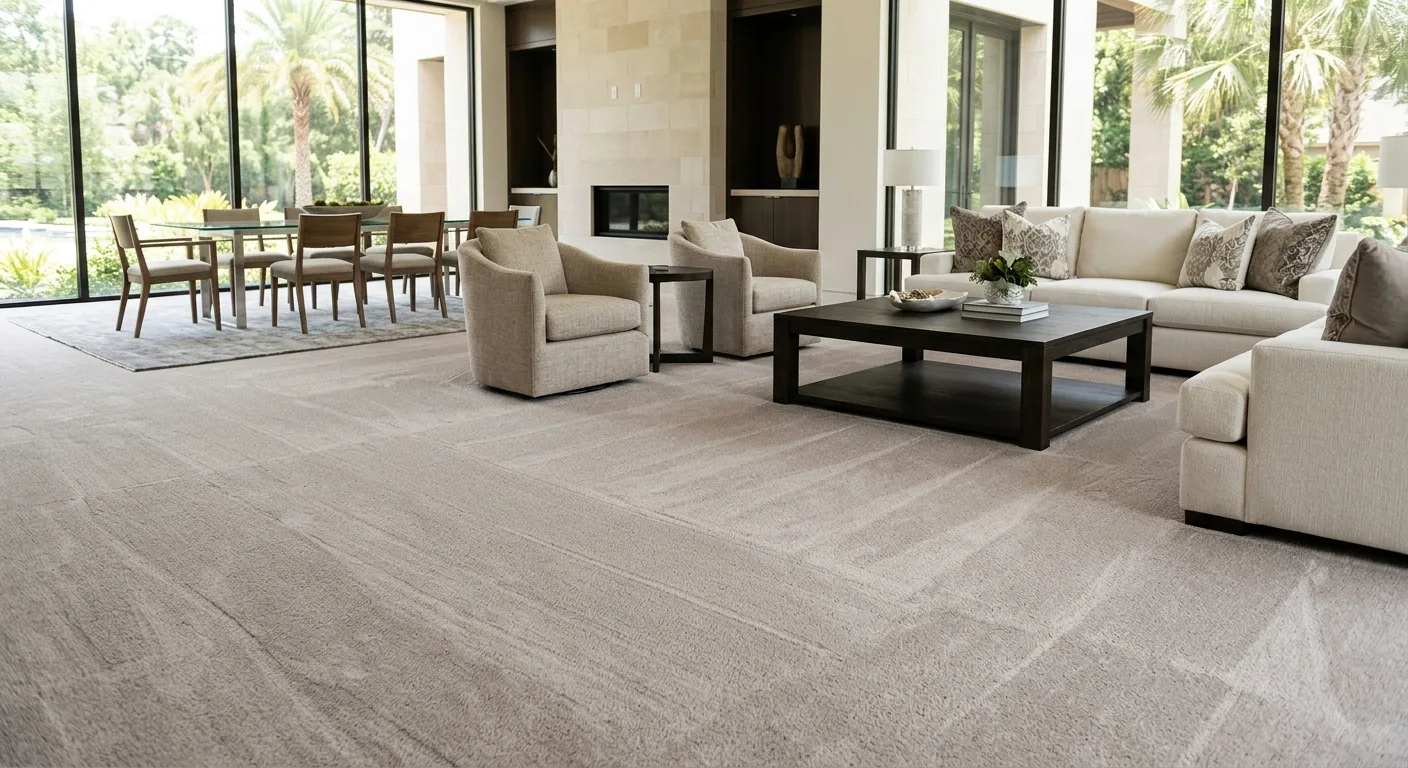
Leather is skin. It dries out, absorbs oils from whoever sits on it, and reacts to the air around it. In a climate like this one, where summer humidity sits above 70% for months and air conditioning runs constantly, leather goes through wet-dry cycles all year long. That stress shows up as cracking along the seat cushion edges, fading on armrests, and a tacky buildup that feels like the surface is getting dirty faster than it used to. Most of the time, that buildup isn't dirt alone. It's a combination of body oils, conditioning products applied incorrectly, and the leather's own finish breaking down. Wiping it with a damp cloth moves the problem around. A proper clean removes it. We've been working on leather in this area for 21 years, and the pieces we see in the worst shape are almost always the ones someone tried to maintain themselves with the wrong products. Murphy's Oil Soap, WD-40, baby wipes, none of them belong on leather furniture, regardless of what you've read online.
leather headboards work, professional service in Houston, TX

Our Process

How a Professional Leather Cleaning Works

  1. 01

    Identify and Inspect

    We determine the leather type before anything touches the surface. Pigmented, semi-aniline, aniline, nubuck, and bonded leather each need a different approach. Skipping this step is how well-meaning cleaners ruin good furniture.

  2. 02

    Clean and Lift

    pH-balanced leather cleaner goes on in small sections, worked gently into the grain with a soft brush. This pulls embedded oils, grime, and old product residue out of the hide without saturating it or disturbing the finish.

  3. 03

    Condition and Protect

    Once clean and dry, conditioner is worked into the leather to replace what the cleaning removes. This step is what separates a cleaning that helps from one that leaves the leather stiffer and more brittle than before.

What We Handle on a Leather Job

Most pieces have more going on than just general soiling. Here's what's typically addressed in a single visit.

  1. 01

    Surface soil and oils

    The grime that builds up from regular use, body oils, food residue, and airborne dust that settles into the grain over time.

  2. 02

    Old product buildup

    Conditioners and sprays applied over the years that haven't absorbed properly and are now creating a sticky, dull layer on the surface.

  3. 03

    Dry and faded sections

    Armrests and seat edges that have lost color and texture from use and sun exposure respond well to conditioning, sometimes dramatically.

  4. 04

    Scuffs and light scratches

    Not every scratch comes out, but many surface-level scuffs respond to cleaning and conditioning in ways that surprise people.

What Not to Use on Leather Furniture Not

The short list of things we see on damaged pieces, almost every time.

Murphy's Oil Soap is formulated for wood. On leather, it leaves a film that attracts more dirt and can soften the hide unevenly. WD-40 is a petroleum product. It'll temporarily darken and soften leather, but it also breaks down stitching and migrates into cushion foam. Baby wipes and household disinfectant wipes contain alcohol and fragrances that strip the leather's protective finish on contact. Saddle soap, despite the name, is too alkaline for most modern upholstery leather. We're not saying this to scare anyone off DIY maintenance. A clean dry cloth for surface dust is fine. But for anything involving product, call someone who knows what the leather's finish actually is before anything goes on it. If you're also dealing with fabric area rugs or upholstered chairs in the same room, we can assess those in the same visit.
leather headboards work, professional service in Houston, TX

Leather Cleaning That Covers the Whole Piece

01

Sofas and Sectionals

Full-size pieces get cleaned section by section, seam to seam. We don't skip the back panels or underneath the cushions. That's where buildup hides.

02

Recliners and Power Chairs

Recliners have more surface area than they look like. The footrest, the inside of the armrests, and the mechanism housing all get attention.

03

Dining and Accent Chairs

Leather dining chairs collect grease and hand oils faster than almost anything else in the house. A proper clean makes a visible difference on these.

04

Leather Headboards

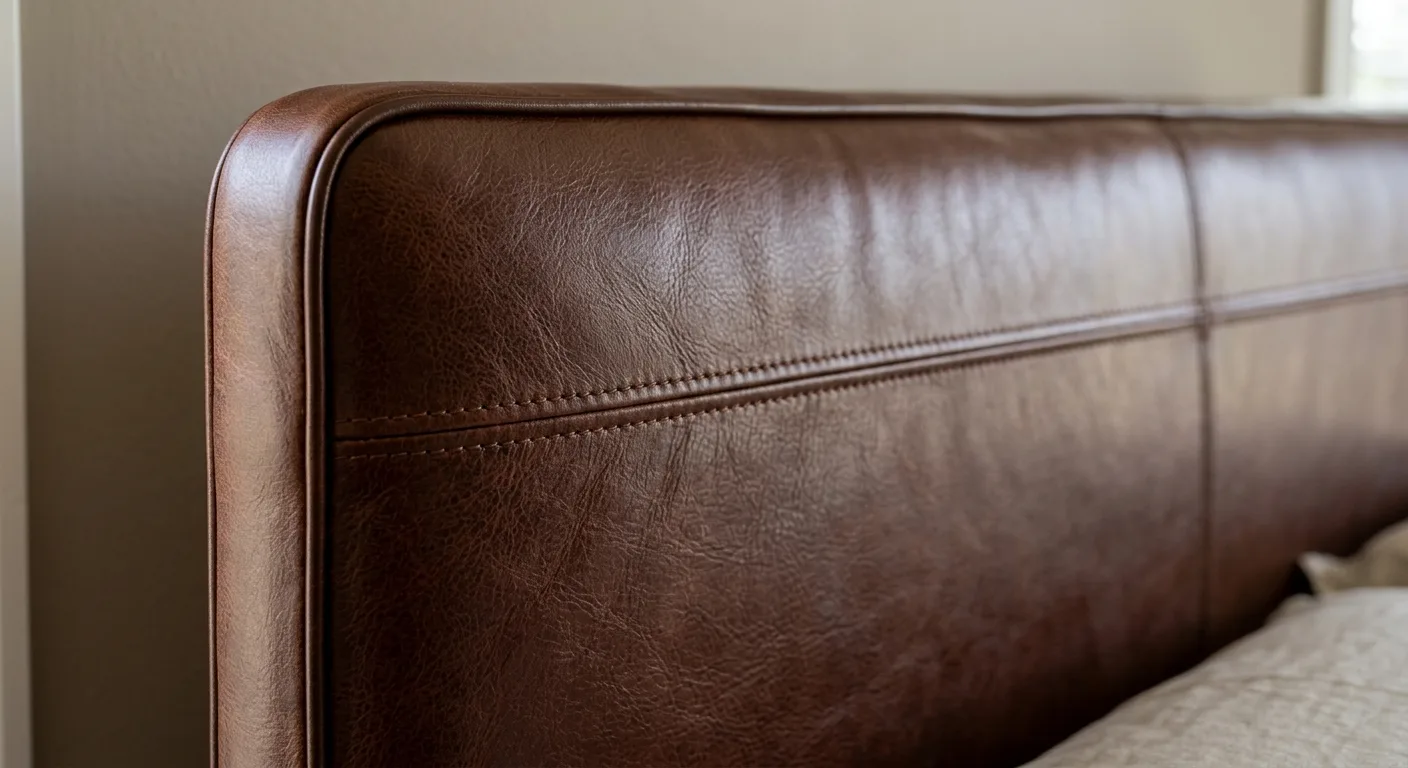
Headboards take oil from hair and skin nightly. They're often the most neglected leather piece in a home and respond well to a proper clean.

Serving the Greater Metro Area

We take on leather cleaning jobs across the greater metro area, including suburban communities where larger homes tend to have more leather furniture and more of it. If you're in Pearland, Friendswood, Baytown, Missouri City, or anywhere else in the region, call us and we'll confirm availability for your area.

Ready to Book a Leather Cleaning?

Call us at (281) 384-1002. Most jobs are booked within the week, and we're available seven days a week including weekends.

Frequently asked questions

Is Murphy's Oil Soap safe to use on a leather couch?
No. Murphy's Oil Soap is a wood cleaner, and its pH and ingredient profile aren't suited to leather upholstery. On leather furniture, it tends to leave a residue that dulls the finish and attracts more grime over time. It can also soften the hide unevenly, which accelerates wear in high-contact areas. There are leather-specific cleaners formulated for the correct pH range. Those are what should be used.
What should you avoid using to clean leather furniture?
Avoid alcohol-based products, household disinfectant wipes, baby wipes, saddle soap on modern upholstery leather, and any general all-purpose cleaner. These either strip the protective finish, dry the hide, or leave residues that break down the leather over time. WD-40 is sometimes suggested online as a conditioner. It isn't. It's a petroleum solvent that will temporarily soften leather while degrading the stitching and foam underneath.
Does WD-40 actually clean or condition leather?
WD-40 will temporarily make leather look less dry and feel softer, which is why the tip keeps circulating online. But it's a water-displacing petroleum product, not a conditioner. It doesn't absorb properly into leather grain, it migrates into foam cushion fill, it weakens thread in stitched seams, and the oil eventually oxidizes and darkens the leather unevenly. Don't use it on any leather furniture you care about.
How do I know what type of leather my couch is?
Most retail furniture manufacturers label the leather type inside the furniture tag or in the original documentation. Pigmented leather (the most common) has a smooth, even color and doesn't absorb a water droplet quickly. Aniline leather absorbs moisture almost immediately and shows color variation. Semi-aniline is in between. Bonded leather, sheets of leather scraps pressed together, behaves very differently and is more prone to peeling than cracking. We identify the type before cleaning anything.
Can leather cleaning fix cracking or peeling on my couch?
Cleaning and conditioning can stop cracking from progressing and often improves the appearance of early-stage dryness significantly. Established cracks in the hide itself won't fully disappear, but conditioning softens the surrounding leather and reduces how visible the damage is. Peeling is different. If the surface is peeling, that's usually bonded leather or a failing finish coat, and cleaning alone won't reverse it. Restoration is a separate service. Call us and we can tell you what's realistic for your specific piece.
How long does a leather couch cleaning typically take?
A single two or three-cushion sofa usually takes 60 to 90 minutes from start to finish, including dry time before conditioning. Large sectionals with multiple pieces take longer, as do pieces in rough condition that need extra attention in worn areas. We don't rush the conditioning step, working it into the grain properly takes time, and that step is what makes the cleaning last. We can give you a more accurate time estimate once we know the size and condition of your piece.

Related